Grooving Tool: Applications, Benefits, and Role in Modern Machining
Manufacturing industry is focused on producing with precision, and tools that allow for precision, efficiency, and consistency are absolutely critical for accomplishing this. One of the most critical tools to manufacturers in all industries is a grooving (or groove cutting) tool. Grooving tools cut, or create a channel, which manufacturers use for assembly, sealing, and structural performance in metalworking, pipe fabrication, heavy engineering, and other manufacturing processes.
As machining continues to advance, complementary equipment used in the fabrication process such as weld preparation machines are becoming increasingly important and are helping to drive high quality weld joints and increased productivity in the manufacturing sector. Grooving tools and weld preparation machines together form the foundation of today’s modern fabrication process
What is a Grooving Tool?
Grooving tools are cutting tools that are used to cut narrow shapes or feature a groove or a recess into an item. The purpose of each groove varies; some may be for securing seals (gaskets), others to allow a retaining ring to fit, and others still are to help two pieces of a component assemble together correctly. A grooving tool will be used in different applications, including the following:
Machine Tools:
- Lathe Machines
- CNC Machining Centers
- Pipe or Tube Processing
- Manufacturing Components (Automotive/Aerospace)
A grooving tool is engineered to cut precisely to the groove dimension specifications required.
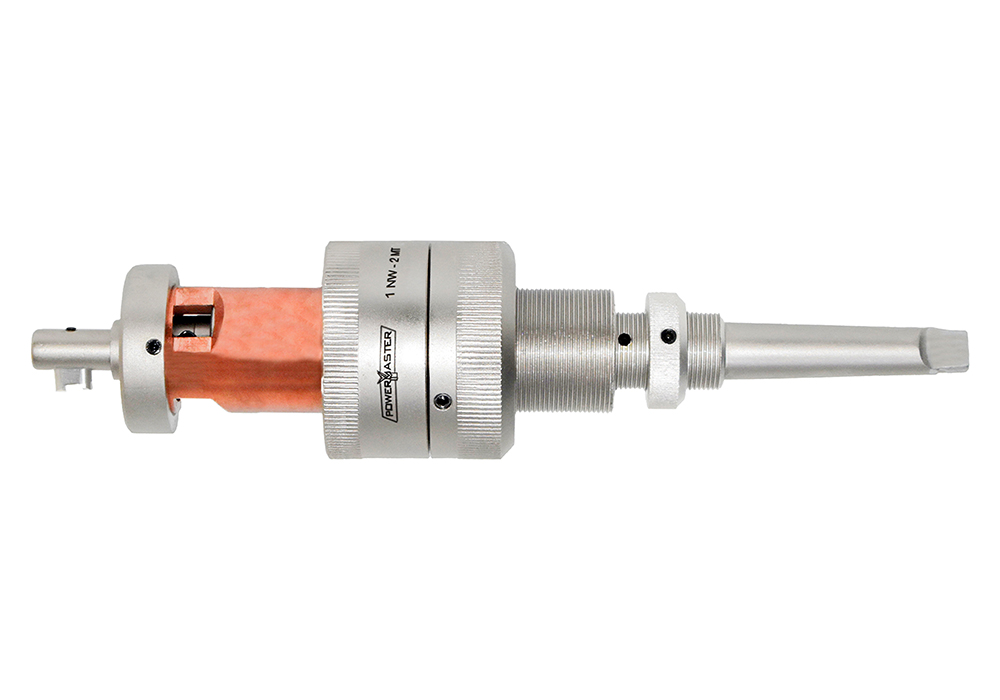 Types of Grooving Tools
There are many types of grooving tools available today, each designed for use in specific applications:
1. External grooving tools are used to cut grooves on the outside of a cylindrical workpiece.
2. Internal grooving tools are used to produce grooves within a hole or bore; therefore, they're commonly employed in the manufacturing of pipes and valves.
3. Face grooving tools are used to create grooves on the face of a component; therefore, these types of tools are frequently involved in the production of seals.
Each type of grooving tool has been engineered to accommodate the various cutting conditions, materials, and geometries that exist within a variety of industrial applications, which makes them capable of performing optimally within those situations.
Key Applications of Grooving Tools
Due to their versatility, grooving tools are essential in many industries:
1. Oil & Gas Industry
Grooving tools provide pipe preparation for fittings, joints and sealing systems with precision grooves for creating leak-free connections which is critical in very high pressure environments.
2. Automotive Manufacturing
Grooving tools create grooves for engine components, transmission components and shafts that are required for component assembly and function.
3. Aerospace Engineering
Grooving tools create components with tight tolerances and high reliability at an acceptable level of precision in the aerospace industry.
4. General Engineering
Grooving tools offer assistance with machining on most projects ranging from lightweight to heavy machinery components.
The Role of Weld Prep Machines in Fabrication
Grooving tools provide precise cutting of channel shapes; however, weld prep machines have the equal importance of preparing materials for weld joint creation.
Weld Prep machine's functions include:
- Beveling edges of pipes,
- Removing surface imperfections, and
- Properly aligning materials to be welded together.
When using these methods to prepare the material or items to be welded, the quality of the weld joint relies on how well the materials have been prepared to accept the welding process.
How Grooving Tools and Weld Prep Machines Work Together
Industries, such as oil & gas, power generation, shipbuilding, routinely use grooves and machine welds concurrently as a process. For example, grooves can be used to create channels for fittings or seals, while welder prep machines create edges to allow for strong welds without defects. The compatibility of the two processes creates reliability and mechanical strength in terms of function.
Factors to consider when choosing a Grooving Tool
When considering what type of groove tool to choose, keep the following elements in mind:
- Material Type: Material composition will dictate the type of cutting tool and coating options necessary for durability and performance.
- Groove Size: The depth and width of the groove will direct the type of cutting tool required.
- Size Compatibility of Machine: Ensure that your lathe or CNC will be able to utilize the selected cutting tool.
- Cutting Speed/Feed Rate: The right combination of cutting speed and feed rate, optimized correctly, will provide an increased usable life for the cutting tool, as well as increased machining efficiency through the cutting tool.
Future Trends in Grooving and Machining
As the advancement of automation and CNC technology has grown, grooving tools are becoming increasingly sophisticated. These include:
- Longer tool life with replaceable inserts
- Heat-resistant coatings that are better for your tools.
- Smart tooling systems incorporated with CNCs.
In a similar vein, weld prep machines are being further developed through portable designs and automation, allowing them to be used more easily and ultimately more effectively.
The development of grooving tools and weld prep machines will ultimately help all types of industries achieve greater precision and better quality with faster turnaround times.
Conclusion
Grooving tools help support the production of precision components and parts in today's modern machining environment. When used with weld prep machines, grooving tools can help to improve fabrication quality, overall structure integrity, and operational efficiency.
If your industry is interested in improving machining and welding processes, investing in high-quality tools is essential. The quality and reliability of tools such as those supplied by Powermaster Ltd. provide reliable grooving tools and weld prep machines, which aid in achieving consistent tool performance and long-term productivity for your company.