Pneumatic vs. Electric Tube Cleaners: Which Is Right for Your Heat Exchanger?
Scale, sludge, and biological deposits build up steadily inside heat exchanger tubes. Left unchecked, these deposits reduce thermal efficiency. They increase fuel consumption. They also shorten equipment life. Before any cleaning job begins, the choice of pneumatic tube cleaners or electric tube cleaners shapes the outcome more than most maintenance teams realize. Powermaster Ltd. serves as a manufacturer of industrial tube cleaning tools used across 120+ countries. The company produces both types. This blog breaks down the real differences. Maintenance professionals can choose with confidence after reviewing the details.
What Both Types Actually Do
Both pneumatic and electric tube cleaners drive a rotating brush, cutter, or buffing tool through the inside of a heat exchanger maintenance tool. The goal remains to break up and remove fouling. The power source separates them. One runs on compressed air. The other runs on electricity. That single difference creates a chain of practical consequences. These consequences affect safety, portability, performance, and running costs in noticeable ways.
Pneumatic Tube Cleaners: Where They Belong
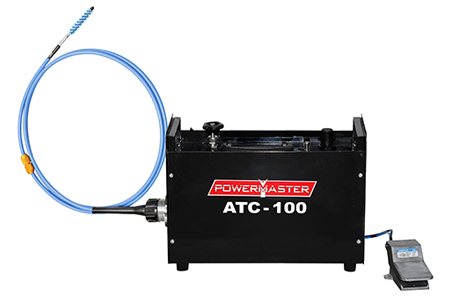 Powermaster portable pneumatic models include the C-10, ATC-100, and ATC-300. These tools use hollow shafting with water flowing through it during operation. As the cleaning tool rotates, water simultaneously flushes out dislodged deposits. This approach reduces cleanup time considerably.
These tools perform well when the site is wet, near steam lines, or in a zone where electricity poses a safety risk. They suit operations that stay mobile and move between multiple facilities with no fixed power supply. Short tube lengths work best when air pressure stays consistent throughout the run. Relatively soft fouling also favors them. Biofilm, algae, loose silt, or light scale responds effectively in such cases.
Where they fall short remains clear in certain situations. Air pressure drops over longer tube runs. That drop directly reduces cleaning consistency. Performance depends entirely on a stable compressed air supply being present on site. Torque output can vary if the compressor fluctuates. Some sections may end up undertreated as a result.
Electric Tube Cleaners: Where They Belong
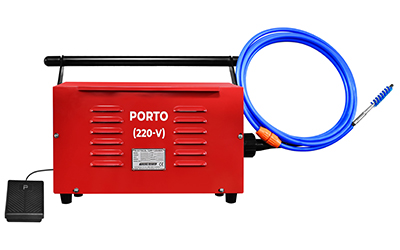
Electric tube cleaners maintain steady motor torque from the first inch of a tube to the last. That steadiness matters a great deal. Hard fouling does not respond well to inconsistent rotational force. Steady power helps overcome such challenges.
These tools perform well when the facility operates indoors with reliable power and dry working conditions. Tubes that contain hard mineral scale, calcium deposits, or compacted resin buildup benefit strongly. Longer tube lengths require consistent pressure throughout the run. This need makes electric models a strong fit. Frequent cleaning cycles also favor them. Teams that need dependable, repeatable results turn to these cleaners often.
Where they fall short appears in other conditions. They weigh more than pneumatic models. This extra weight causes fatigue during extended cleaning sessions. They prove not appropriate near water or steam without proper insulation and safety measures in place. Motor components need periodic servicing. That requirement adds to long-term maintenance costs.
Factors That Should Guide the Decision
Site Conditions
Wet areas, steam environments, and classified hazardous zones call for pneumatic tools without exception. Electric tools belong in dry, stable indoor settings. Proper electrical safety controls must stay in place there.
Tube Specifications
Short tubes in condensers and oil coolers work well with pneumatic cleaners. Powermaster C-10, for example, handles inner diameters from 4.8 mm to 25.4 mm with ease. Longer tube runs generally favor electric models. Their torque consistency supports better results over distance.
Deposit Type
Soft fouling responds reasonably well to either option. Hard scale or densely packed sediment requires more attention. Electric cleaners deliver more reliable results through the complete tube length in these cases.
Mobility
Contractors who move between plant sites benefit from pneumatic tools. These tools stay lighter and more compact. They need only a compressor rather than a fixed power outlet at each location.
Keep Your Heat Exchangers Running at Full Capacity with POWERMASTER
Choosing between pneumatic and electric should not become a guessing exercise. POWERMASTER Ltd manufactures a complete range of both types. Each model fits specific tube sizes, fouling conditions, and operating environments. From the portable C-10 handling tubes as narrow as 4.8 mm to the ATC-300 built for heavier industrial demands, every product follows real job site requirements. Maintenance teams that match the right tool to the right application clean faster. They cut downtime. They protect their equipment longer. Explore Powermaster's full range of tube cleaners and tube tools at www.powermaster.in. Contact the team directly for a recommendation built around facility-specific needs.
FAQs
Can pneumatic tube cleaners handle hard scale deposits?
They manage light to moderate scale well. Stubborn mineral buildup usually responds better to electric cleaners with steady, consistent motor torque.
Are electric tube cleaners safe near water?
Not without proper protection. Always follow electrical safety protocols. Use insulated equipment in wet or damp working conditions.
How often should heat exchanger tubes be cleaned?
It depends on water quality, fouling rate, and process type. Most industrial facilities schedule cleaning every three to six months.
Do both tool types work across all tube materials?
Yes. Brush type and pressure settings must always match the tube material. This step avoids surface damage during cleaning.