How Hydraulic Torque Wrenches Improve Accuracy in Heavy-Duty Bolt Tightening
The industrial site uses hydraulic torque wrenches to tighten large bolts used in pipes, turbines, and pressure vessels. The standard bolt tightening torque should be precise to prevent leakage, cracks, and equipment failure. They reduce many common errors that appear with manual or air-powered tools. Crews see more repeatable results on every connection. This matters most when one weak joint can halt an entire operation for hours or days.
Challenges of Heavy-Duty Bolt Tightening
Large bolts require far more force than hand tools can safely supply. Workers run into several practical problems on the job.
- Bolts larger than one inch demand thousands of foot-pounds. Muscle fatigue sets in fast and changes the applied force.
- Thread friction varies between surfaces. The same gauge reading often produces different clamp loads.
- Bolt grades and materials require precise values. Too much stretch or a snapped fastener wastes time and parts.
- Flange bolts must follow a strict circle pattern. Any uneven step causes warping and later leaks.
- Dust, weather, or low light make manual gauge readings unreliable under pressure.
These issues cause joints to loosen under vibration or thermal cycling.
How Hydraulic Torque Wrenches Operate
The wrench connects to a hydraulic pump that delivers oil at a specified pressure. Oil moves a piston inside the tool body. The piston drives a ratchet connected to the socket. A reaction arm rests against a solid point to hold the force steady.
Operators set the pump pressure to match the needed torque. The tool advances in short, controlled steps. Most units include a clear pressure gauge and an automatic relief valve that ends the cycle at the target. This design removes guesswork about pull strength or tool runtime.
How These Tools Boost Tightening Accuracy
Hydraulic torque wrenches often maintain accuracy within ±3 % under typical site conditions. The steady fluid flow does not vary with operator fatigue or changes in the air supply. Each cycle follows the same motion, so bolts in one set receive nearly the same load.
Each cycle repeats the same motion, so every bolt in a set receives nearly identical torque. The self-ratcheting design lets crews tighten without constant repositioning. Lower internal friction turns set pressure into reliable output torque. In practice, this keeps joints tight under thermal expansion or heavy vibration.
Teams apply torque in clear stages 30%, then 60, then full load, without big differences between passes. This spreads the force evenly across the joint and reduces the risk of bolt stretch.
Hydraulic Torque Wrenches Compared to Other Options
Many teams keep using tools they already own. The numbers still show noticeable gaps when joint failure carries high costs. The table below compares the main choices for heavy work.
Hydraulic Torque Wrenches vs. Traditional Tools: Accuracy Matters Most
| Feature |
Hydraulic Torque Wrench |
Manual Torque Wrench |
Pneumatic Torque Wrench |
| Accuracy |
±3%
|
±10-20% |
±5% |
| Consistency |
Excellent across all bolts
|
Changes with each user |
Good until air pressure drops |
| Operator Effort |
Low, pump handles the load |
High physical strain |
Medium, plus tool vibration |
| Speed on Large Bolts |
Fast after initial setup |
Slows quickly |
Fast but less steady |
| Best For |
Critical joints over 1 inch |
Smaller or lighter jobs
|
Routine assembly work
|
| Risk of Over-Tightening |
Low, relief valve protects
|
High from extra pull
|
Medium from air spikes
|
The comparison highlights why many critical jobs now favor hydraulic tools.
Tips to Get the Most Accurate Results
- Small habits improve performance across every shift.
- Calibrate the pump and wrench together every six months or after approximately 200 hours.
- Clean all threads and contact faces before assembly. Predictable friction keeps results steady.
- Place the reaction arm against a firm, non-flexing surface.
- Follow the specified tightening pattern and use three separate stages.
- Note pressure readings for each bolt. Records help verify work during later inspections.
These steps turn consistent tools into consistent joints.
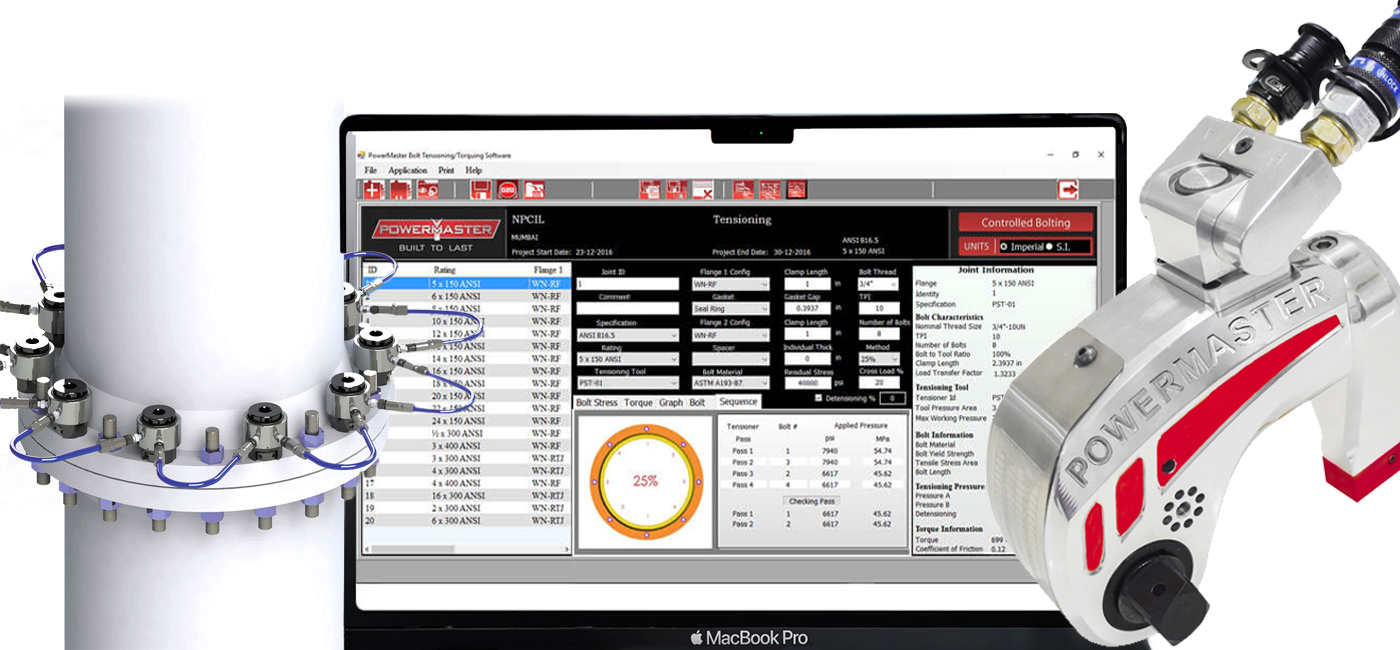 Matching Your Job to the Right Torque Values
Drawings supply exact figures for bolt size and grade. Before starting, confirm the applicable metric bolt tightening torque values. Set the pump gauge to match and double-check units. A short verification prevents mix-ups between charts and keeps every connection inside the required range.
FAQs
What accuracy can I expect from a hydraulic torque wrench?
These wrenches deliver accuracy within plus or minus three percent on most jobs. They limit errors in heavy bolt work.
Do these wrenches work on both metric and standard bolts?
Yes. They accept any socket size. Pressure settings match the chart for each bolt type.
How do hydraulic wrenches compare to pneumatic ones for precision?
Hydraulic models keep tighter control because fluid pressure stays stable. Pneumatic tools shift with changes in air supply.
How often should I calibrate hydraulic torque tools?
Calibrate every six months or after two hundred hours. Regular checks keep readings trustworthy.
Which industries use hydraulic torque wrenches the most?
Oil and gas sites, power plants, and heavy construction crews rely on them. Critical joints need the steady torque they provide