Industries like construction, manufacturing, power plant, oil and gas, all depend on bolted joints as their essential connection system. The incorrect tightening of joints may lead to leaks, equipment failures, and expensive shutdowns. This is where using the right bolting tools can make a big difference. Using proper bolting methods not only ensures safety but also reduces business downtime and improves overall productivity.
In this blog post, we’ll explain how contemporary bolting solutions enable industries to achieve faster operation, better safety, and higher performance.
What Are Bolting Tools and Why Do They Matter?
Bolting tools are specialized tools that help users achieve precise bolt tightening and loosening results. The toolset contains torque wrenches and hydraulic systems together with bolt tensioners and other advanced equipment. Modern bolting tools present a better performance than manual or conventional bolt tightening techniques because:
- They deliver force application through precise measurement.
- They achieve force distribution through symmetrical loads.
- They accomplish industrial work through faster execution.
- They require less physical effort from the human workforce.
These factors are very important in critical applications such as pipelines, pressure vessels, and wind turbines, where even a small error can cause major problems.
How Bolt Tensioners Improve Accuracy and Speed?
Industrial bolting operations use bolt tensioners as their most sophisticated tool because this tool functions by applying axial load directly to the bolt instead of using torque.
According to industry data, bolt tensioning offers the following advantages:
- Fasteners experience no twisting forces through this method of fastening.
- The method achieves perfect weight distribution through its direct weight application.
- The system delivers precise measurements which can be repeated with exact precision.
- The process becomes more efficient because bolt tensioners require less time and human effort to complete the tasks.
These tools are most commonly used in pipeline flanges, heat exchangers, pressuring vessels and wind turbines. Due to the high pressure (up to 1500 bar) used in modern tensioners, heavy loads may be produced while maintaining a small design.
Why Better Load Control Through Bolting Tools Means Less Rework?
The primary reason for operational interruptions is because workers have to redo their tasks. Improper bolt tightening results in joint failure during testing and operational procedures. This is where modern bolting tools are designed to provide:
- Controlled torque or tension
- Even load across all bolts
- Repeatable results
These advanced tools enable operators to run multiple tasks simultaneously while maintaining equal flange load distribution. Also, the bolt tensioning method guarantees proper tightening distribution throughout the system which eliminates leakage and reduces equipment failures.
How Bolting Tools Promote Maintenance and Durability?
The construction of bolting tools combines strong materials with design features in order to extend operational performance. Safety features like:controlled pressure systems, safe piston designs, high-strength alloy steel, anti-friction seals, and impact-free operation help increase tool life and reduce its maintenance needs.
How Bolting Tools Help in Achieving Faster Project Completion?
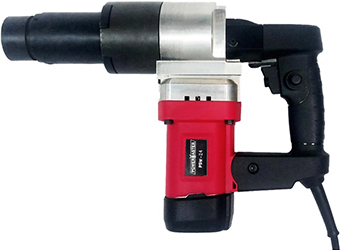 Time is money in any industry. Delays in bolting work can slow down entire projects. With the help of advanced bolting tools:
- Installation becomes faster
- Fewer workers are needed
- Tasks can be completed in less time
- Use of high-speed motors, easy controls, and ergonomic designs make these tools very efficient in real working conditions.
Conclusion
Choosing the right bolting tools is not just about tightening bolts but improving efficiency, reducing errors, and ensuring safety in every operation. Methods like bolt tensioners and electric shear wrench help industries achieve accurate results, faster work speed, and lower downtime.
These tools eliminate rework and provide better load control, improving site safety as well, all directly helping in increasing productivity. Therefore, utilization of advanced bolting solutions is no longer a choice but a mandate in current commercially competitive industrial landscape.
Frequently Asked Questions (FAQs)
1. What purpose do bolting tools serve?
Bolting tools allow workers to tighten or loosen bolts with precise measurements which industrial settings require. They achieve correct load distribution while stopping the joints from failing.
2. How do bolt tensioners reduce downtime?
Bolt tensioners apply direct load to bolts in order to achieve complete tightness with correct bolt tensioning. The system prevents mistakes which results in operational continuity while saving expenses from production halts.
3. What purpose does an electric shear wrench serve?
An electric shear wrench is used to tighten high-strength bolts, especially in construction. The tool achieves correct tensioning by automatically breaking the spline after users complete the tightening process.
4. Why is accurate bolting important in industries?
Properly bolted joints avoid both leaks as well as equipment damage and safety hazards. The tool is less maintenance-intensive and provides much better reliability through the entire operational period.
5. Can modern bolting tools improve productivity?
Modern tools decrease manual work requirements while they accelerate work processes and reduce the need for doing repetitive tasks again. The result of these changes leads to quicker project completion and improved productivity.